Why Your Garage Door Closes Then Opens Back Up
Why Your Garage Door Closes Then Opens Back Up
It's a scenario many Connecticut homeowners face: you press the button to close your garage door, it starts to descend smoothly, and then, just as it's about to seal shut, it springs back open. This isn't just an inconvenience; it can leave your home less secure and your car potentially stranded. Understanding the common culprits behind this behavior is the first step toward getting it resolved. For homeowners in Hartford, Middlesex, and New Haven counties, this problem can disrupt a normal morning fast.
Several parts can cause this reversal, but the issue is almost always connected to the opener system, sensor alignment, opener settings, or resistance in the door's travel. Here are the causes Spring King checks first.
Understanding Common Causes of Garage Door Reversal
Your garage door opener system is designed with safety and functionality in mind. When it behaves unexpectedly, it's often signaling a problem with one of its key components or settings.
Safety Sensors: Often the Primary Culprit
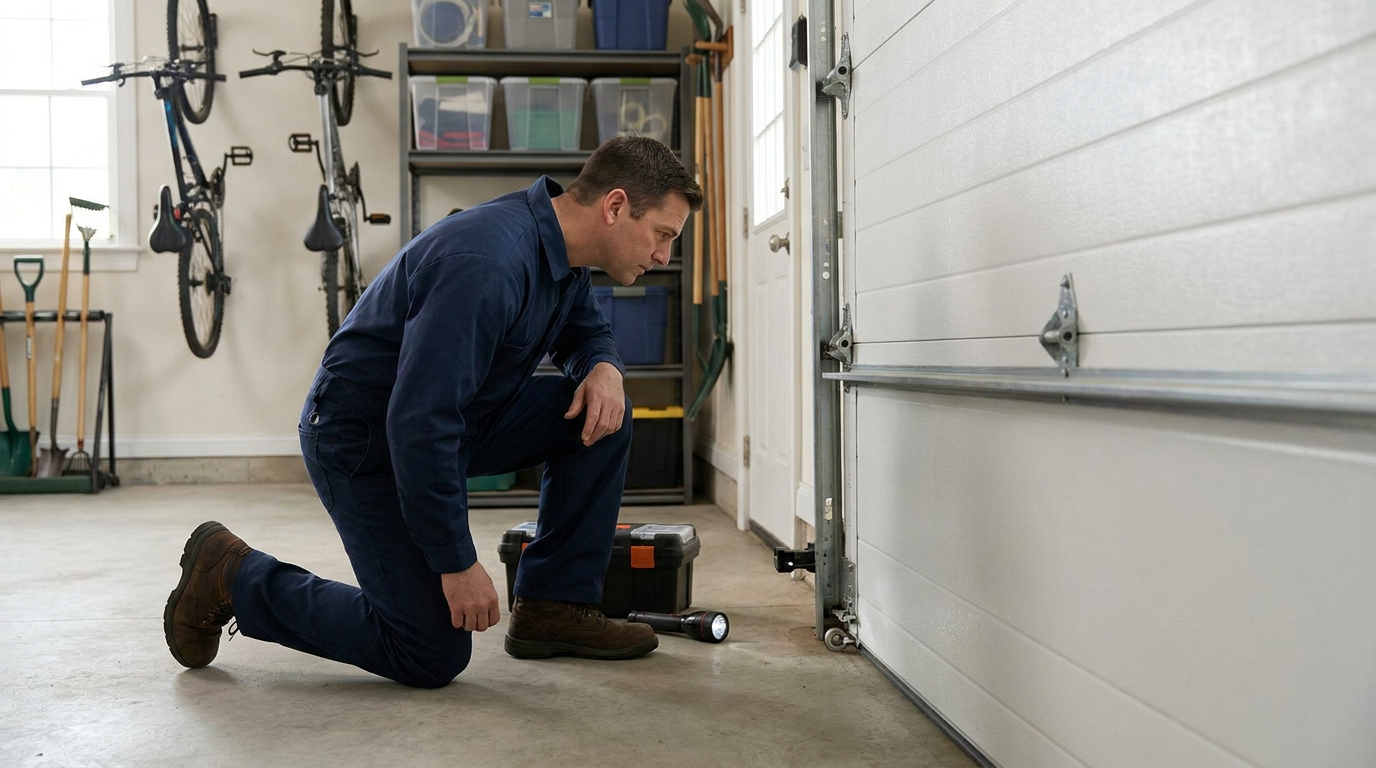
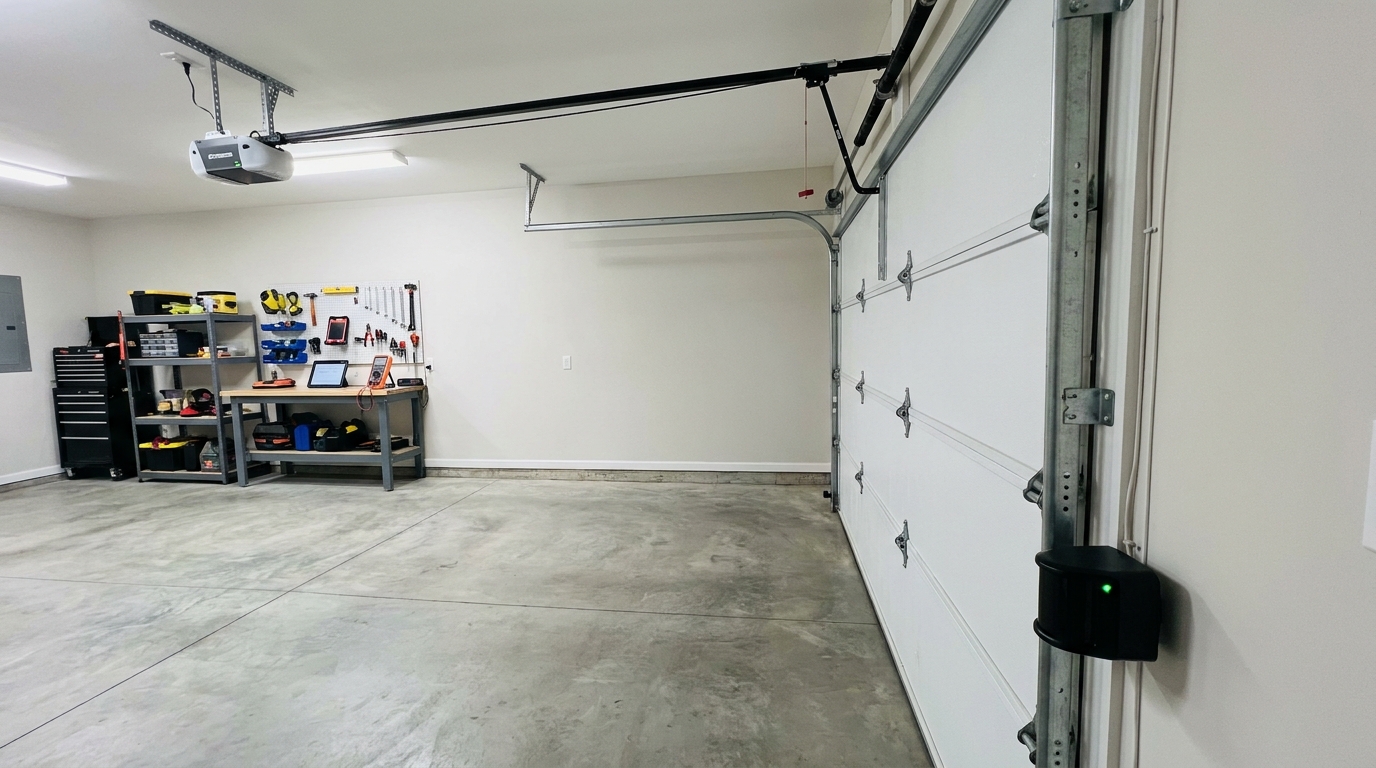
Every modern garage door opener is equipped with safety sensors, typically located a few inches from the ground on each side of the door tracks. Their sole purpose is to detect obstructions in the door's path. If anything interrupts the invisible beam between these sensors, the opener will immediately reverse the door's direction to prevent damage or injury. If these sensors are dirty, misaligned, or the beam is blocked, they can falsely register an obstruction, causing that frustrating close-then-reopen cycle.
What You Can Check:
- Obstructions: Make sure nothing is physically blocking the path between the sensors. This could be anything from a child's toy or a forgotten rake to accumulated leaves or even a misplaced snow shovel in the winter.
- Sensor Lights: Most sensors have small LED indicator lights. Ideally, one sensor (the emitter) will have a solid light, and the other (the receiver) will also have a solid light when the beam is unbroken and communication is good. If one or both lights are blinking or off, it's a strong indicator of a sensor issue.
- Lens Clarity: The lenses on the sensors can accumulate dust, dirt, or cobwebs. Gently clean them with a soft, dry cloth. For tougher grime, a slightly damp cloth with water or a mild cleaning solution can be used, ensuring the lenses are dry afterward.
- Alignment: If the lights indicate a problem, the sensors might be slightly out of alignment. If you're comfortable doing so, you can carefully adjust the position of the sensors. Look for small adjustment screws or knobs on the sensor brackets. The goal is to get the beam to connect reliably, resulting in solid indicator lights.
Obstructions in the Doorway
Beyond the sensors, a more straightforward obstruction can also cause the reversal. This might be something larger that momentarily catches the door as it descends. Always ensure the entire path of the garage door is clear before attempting to close it. This is especially important in busier garages where tools or recreational equipment might be stored or moved.
Garage Door Tracks and Rollers
Smooth operation of the garage door depends on the tracks being clean, aligned, and free of obstructions. If the tracks are bent, damaged, or have debris lodged within them, the door might not move smoothly. This can cause resistance that the opener interprets as an obstruction, or it could even misalign the door itself, impacting the safety sensors. Similarly, check the rollers to ensure they are intact and moving freely within the tracks.
Connecticut Winter Consideration: In colder months, ice or snow buildup on the tracks or the bottom of the door can create resistance that triggers the safety reversal.
Opener Limit and Force Settings
Garage door openers have adjustable settings that control how far the door travels (limit settings) and how much force it uses (force settings). If these are not calibrated correctly, the opener might mistakenly believe the door has encountered an obstruction or is trying to force itself beyond its normal travel limits.
- Limit Settings: These tell the opener when to stop moving up or down. If the down limit is set too low, the opener might try to push the door further than it should, triggering the safety reverse. Adjusting these usually involves accessing the control panel on the opener motor unit. Always consult your opener's manual for specific instructions.
- Force Settings: This dictates the amount of force the opener applies. If set too high, even minor resistance could be seen as a problem. If set too low, the opener might not have enough power to overcome normal resistance, leading to reversal.
A Note on Adjusting Settings: If you're not comfortable accessing or adjusting these settings, it's best to leave them to a professional. Incorrect adjustments can lead to further issues.
The Wall Button Test: A Diagnostic Clue
One effective way to help narrow down the cause is the wall button test. If you have a wall-mounted opener button, hold it down continuously until the door is fully closed. If the door closes and remains closed only while you are holding the button, that points strongly toward the safety sensors. Treat this as a diagnostic clue only. It is not a normal operating method, and it is not a long-term workaround for a sensor problem. You can learn more about this specific symptom in our article on garage door won't close unless holding button. If the sensor lights seem fine but the remote, keypad, or wall console is also acting strangely, compare your symptoms with our garage door remote and keypad troubleshooting guide.
Mechanical Issues with the Door or Opener
Less commonly, the problem could stem from internal mechanical issues. This might include a worn-out gear in the opener, a broken spring (though broken springs usually result in the door not moving at all or moving very unevenly), or issues with the trolley mechanism. If the door stops moving altogether and the opener just hums, see our guide to a garage door opener that hums but won't move. If the opener's trolley bar (the arm connecting the motor to the door) appears to be bending or distorting under strain when the door attempts to close, this is a serious sign of excessive force being applied, potentially due to binding elsewhere, and you should stop using the opener immediately.
When to Stop Using Your Garage Door
There are certain situations where continued use of your garage door opener can lead to further damage or safety hazards. It's important to recognize these warning signs and cease operation immediately:
- Violent Impact with the Floor: If your garage door slams into the floor with significant force upon attempting to close, do not operate it further. This indicates a serious problem with the closing force or limit settings.
- Opener Force Bending the Trolley Bar: As mentioned, if you notice the trolley bar on your opener bending or deforming under strain, this is a serious issue that needs service before the system is used again. It suggests the opener and door are under extreme stress.
Connecticut Winter's Impact on Garage Doors
Living in Connecticut means dealing with changing seasons, and winter can present unique challenges for garage doors. The cold can affect the lubrication of moving parts, and ice or snow can interfere with the door's movement. Additionally, common winter items like snow shovels and snow blowers are often stored in garages. If these items are bumped or shifted, they can easily knock the sensitive safety sensors out of alignment. Always double-check your sensor alignment and the door's path after clearing snow or moving winter equipment.
Troubleshooting Steps You Can Take at Home
Before calling for assistance, you can perform several checks to help diagnose the problem:
- Inspect Safety Sensors: Check for obstructions, clean the lenses, and look for solid indicator lights. If lights are blinking, try gently adjusting their position until they are solid. Ensure they are not loose.
- Examine Tracks: Look for any debris, dents, or loose fastenings in the garage door tracks. The door should slide smoothly within them.
- Check the Door's Manual Operation: Disconnect the opener from the door (usually via a red pull cord). Try to lift and lower the door manually. It should move smoothly with moderate effort. If it's very heavy, binds, or feels unsafe, there's likely an issue with the door's balance or track system that needs garage door repair.
- Review Opener Settings: If you are comfortable and have your opener's manual, you can review the limit and force settings. Make small, incremental adjustments and test the door's operation between each change.
The Hierarchy of Likely Causes
Based on our experience assisting Connecticut homeowners, the most common reasons a garage door closes then immediately reopens are:
- Dirty or Misaligned Safety Sensors: This is the most common fix. Cleaning and realignment often solve the problem.
- Obstructions: Something physically blocking the path or interfering with the sensor beam.
- Opener Limit/Force Settings: Incorrect calibration of the opener's operational parameters.
Opener Limit Control Board Nuances
Sometimes, the issue might be with the opener's internal limit control board. This component acts as the brain for the opener, telling it when to stop in both the open and closed positions. If this board becomes faulty, it can lead to unpredictable behavior, including the door reversing after closing. The good news is that for many garage door opener models, replacement limit control boards are still available. This means that sometimes a specific component can be replaced, saving you the cost of a whole new garage door opener unit. This is a repair that often requires a skilled technician.
What Information to Share When You Call for Service
When you contact Spring King Garage Doors, a few specific details can help us understand the issue faster:
- Sensor Light Status: Describe whether the indicator lights on your safety sensors are solid, blinking, or off.
- Recent Adjustments: Have you recently made any changes to your opener's limit or force settings?
- Wall Button Test: Did you perform the wall button test? If so, what was the outcome?
- Visible Damage: Do you notice any bending in the trolley bar, or does the door slam violently?
- Manual Operation: How does the door feel when you operate it manually without the opener?
This information helps our technicians prepare for your service call. If your garage door is opening by itself, be sure to check out our guide on garage door opens by itself for more on that specific issue.
Professional Service for Reliable Operation
Basic checks can point you in the right direction, but a door that keeps reversing may need a professional diagnosis, especially if the tracks are loose, the opener settings are off, or the door does not move smoothly by hand. Spring King handles garage door repair, opener diagnostics, and garage door tune-up visits for Connecticut homeowners. If your door will not stay closed, contact Spring King and tell us what you are seeing.
Need garage door help in Connecticut?
Spring King serves Middletown and 30+ towns across Central CT. Fast response available.
Add Spring King as a Preferred Source on Google