Garage Door Grinding or Ticking? Check the Rollers
Why worn garage door rollers make so much noise
That grinding or ticking noise your garage door makes isn't just an annoyance; it can be a sign that moving parts are wearing out. For many Connecticut homeowners, particularly those near the coast or dealing with our sometimes harsh winters, garage door rollers are a common culprit behind these unwelcome sounds. While the thought of a noisy garage door might seem like a minor inconvenience, these sounds can indicate underlying issues that, if left unaddressed, can lead to more significant and costly repairs. Understanding what these noises mean can help you decide when it's time for a professional touch.
Grinding versus ticking: what each sound can mean
When your garage door groans, scrapes, or clicks as it moves, the source is frequently the rollers – those small, essential parts that allow the door to glide smoothly along its tracks. Over time, these rollers, often made of nylon or steel and containing ball bearings, can deteriorate. Their job is to allow the door to move up and down with minimal resistance. When they fail, the door can no longer perform this function properly, leading to the noises you hear.
Grinding often means a roller is dragging
Grinding noises typically signal that the rollers are no longer spinning freely. Instead of rolling, they’re being dragged or scraped along the tracks. This friction generates that unpleasant grinding sound and can put unnecessary strain on your entire garage door system. Imagine trying to slide a heavy box across a rough floor; it grinds and scrapes. That's essentially what's happening with your garage door rollers when they grind. This excessive friction can wear down not only the rollers themselves but also the tracks they travel in.
Ticking often points to failed ball bearings
Ticking sounds are often more specific and point to a failure within the roller's internal mechanism. They can indicate a breakdown in the roller's ball bearings. These tiny bearings are designed to allow the roller to spin smoothly. When these small metal spheres seize up, break, or become corroded, they can cause a distinct ticking or clicking as the roller attempts to move. This mechanical failure means the roller isn't rotating as intended, contributing to uneven door movement and the ticking sound. In essence, the bearings are no longer providing a smooth surface for rotation.
How to check the door safely by hand
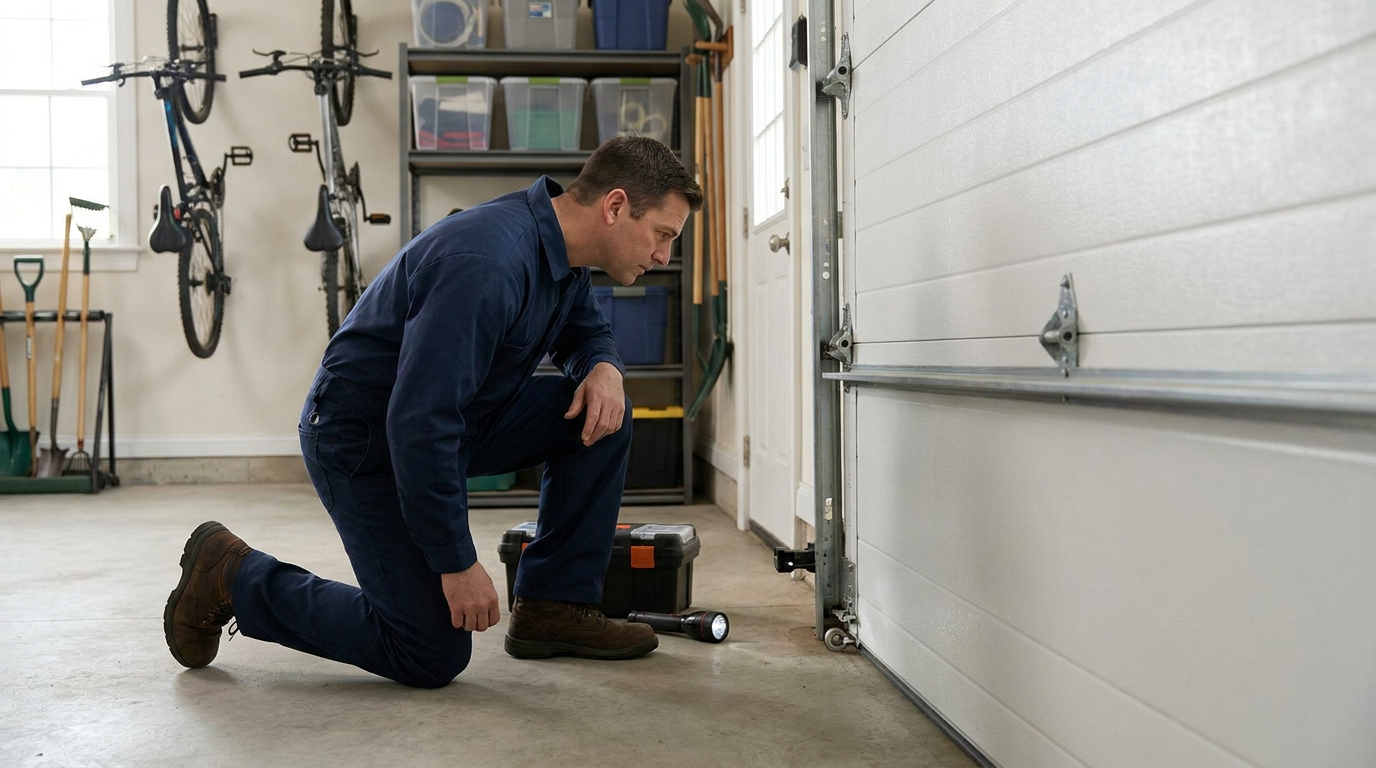
Before calling a professional, you can perform a simple, safe manual check to assess your garage door's movement and potentially identify roller issues. Safety comes first. Always ensure the door is fully closed and visually stable, appearing straight and firmly in its tracks. If the door seems crooked, jammed, off its track, or generally unstable in any way, skip this test and contact a professional immediately.
To proceed with the test: First, locate the red emergency-release cord hanging from your garage door opener mechanism. Pull this cord to disconnect the opener from the door. This allows you to operate the door manually. With the door fully closed and confirmed stable, carefully try to lift and lower it by hand. Pay close attention to how smoothly it moves, if it feels exceptionally heavy, or if it binds, sticks, or makes any unusual sounds during this manual operation. Any signs of binding, sticking, or significant heaviness could indicate worn rollers or other underlying issues.
When lubrication helps and when it does not
For minor instances of squeaking or a hint of resistance, lubrication might offer a temporary reprieve. A light application of an appropriate garage door lubricant directly to the rollers (not the tracks themselves) can sometimes quiet things down. It's crucial to use a lubricant specifically designed for garage doors – never use WD-40 or household oils, as these can attract dust and grime, exacerbating the problem. Proper lubrication involves applying it to the roller stem and the bearings themselves.
However, it helps to understand the limits of lubrication. If you lubricate the rollers and the noise disappears, only to return within a few days or weeks, it’s a strong indicator that the rollers themselves are worn beyond the point where simple lubrication can help. In such cases, the underlying issue is the wear and tear on the roller material and bearings. Lubrication might temporarily smooth things over, but it doesn't address the physical degradation of the component. Replacement is the only long-term solution to restore smooth operation.
What happens when worn rollers are left in place
Rollers are wear items, much like tires on a car. They are designed to move thousands of times but will eventually degrade. Replacing worn rollers is often one of the most effective ways to significantly reduce operating noise and prevent future problems. Ignoring worn rollers can lead to problems that affect the entire garage door system:
More strain on the opener and springs
Seized or worn rollers create excessive friction. This makes your garage door opener work harder to lift and lower the door. An opener struggling against this resistance can lead to premature wear or even failure of the motor. The springs, which counterbalance the door’s weight, also experience added stress because they have to compensate for the extra effort required to overcome the friction.
Binding, sticking, or jamming
As rollers deteriorate, they can cause the door to bind, stick, or even jam in its tracks. A sticking door can become jammed or move unpredictably. The uneven movement caused by worn rollers can make the door difficult to operate, both manually and with the opener.
Wear on hinges and tracks
The constant scraping and dragging from bad rollers can eventually damage the garage door tracks themselves. This can mark or damage the tracks and add to the repair work. In severe cases, the undue stress can also put significant strain on the hinges that connect the door panels, leading to their bending or breaking.
A door that comes off track
The most severe consequence of neglected rollers is the door coming completely out of its tracks. This is a serious safety concern. An off-track door is unstable and should not be operated. If your door is off track, it requires immediate professional attention to safely put it back and assess any associated damage. For more information on what to do if your door is off track, consult our guide on garage door off track what to do.
Why we recommend nylon rollers with sealed bearings
When it’s time for replacement, Spring King strongly recommends opting for nylon rollers equipped with sealed ball bearings. These are a significant upgrade from older steel rollers or unsealed nylon rollers.
Quieter movement
Nylon is inherently quieter than metal rollers. Its material composition absorbs sound and vibration more effectively, contributing to a noticeably smoother and quieter operation. The material itself dampens the noise generated by movement, making a substantial difference in the overall sound profile of your garage door.
Protection from dirt and moisture
Sealed ball bearings are a key feature. They are designed to keep out contaminants like dust, dirt, grime, and moisture. This protection is particularly valuable in Connecticut’s environment. The sealed design helps prevent corrosion and wear, ensuring the bearings remain lubricated and functional for longer periods. Unlike unsealed bearings that can quickly become clogged with debris, sealed bearings offer superior longevity and performance.
How Connecticut salt and moisture affect rollers
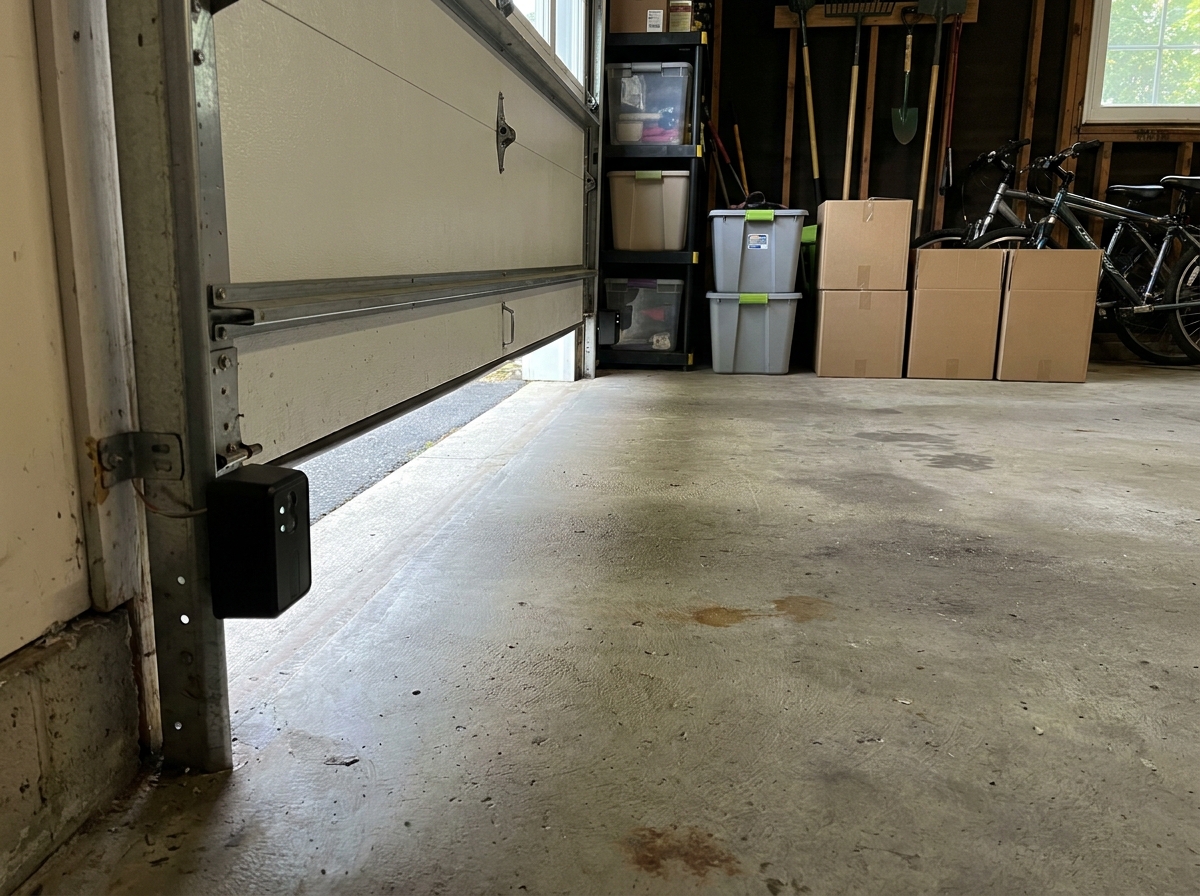
Living in Connecticut, especially along the shoreline counties of New Haven and Middlesex, means your garage door components are exposed to specific environmental challenges. The salty air from the Long Island Sound can accelerate corrosion on metal parts, including steel rollers and the tracks they run in. Additionally, winter road salt tracked in by vehicles can contribute to rust and degradation. These factors often mean that the bottom rollers, being closer to the ground and potential salt runoff, may show signs of wear and corrosion first.
Regular professional inspections are crucial. We recommend at least an annual service for garage door maintenance. For homes closer to the shoreline, a twice-yearly inspection can help proactively address salt-air corrosion and other environmental impacts, potentially extending the life of your rollers and other components. Early detection of rust or wear on these crucial parts can prevent more significant issues from developing.
A quieter door for a bedroom above the garage
We once worked with a family in Connecticut whose young child slept in a bedroom directly above their garage. They used the garage as their primary entry point and were constantly disturbed by the loud noises their garage door made as it opened and closed. They initially had their old opener replaced, hoping it would solve the problem. The service did reduce some of the noise, but a persistent grinding remained, making it difficult to get their baby to sleep undisturbed. It turned out that their old, worn rollers were the primary culprits. After we replaced them with quiet, durable nylon rollers with sealed bearings, the homeowners were astonished at how much calmer and more peaceful their home became. The opener had been part of the noise, but the rollers made a much bigger difference than the homeowners expected.
Grinding does not always mean the rollers
While understanding the potential causes of garage door noise is empowering, professional diagnosis is key. Grinding noises can sometimes stem from other issues, such as misaligned tracks, debris lodged in the tracks, worn hinges, or even internal opener components. Differentiating these requires expertise and specialized knowledge. Simply lubricating components might mask a problem that requires a more comprehensive solution.
If you’re hearing grinding or ticking, or if your garage door isn’t operating smoothly, the best course of action is to contact a qualified professional. They have the tools and knowledge to accurately diagnose the problem, differentiate between roller noise and other issues, and perform the necessary repairs safely. They can also identify if other components, like cables or springs, are contributing to the noise. For reliable garage door repair in Connecticut, Spring King is here to help.
When to schedule roller replacement
When your garage door rollers are worn, replacing them is not just about silencing noise; it's an investment in the longevity and safety of your entire garage door system. Neglecting this wear can lead to more expensive repairs down the line, including potential damage to your opener, springs, or tracks. As part of our comprehensive garage door roller replacement services, we ensure your door operates smoothly and quietly. We always advise against DIY roller replacement, especially if the door seems unstable or if you are not comfortable with the mechanics of garage doors, as improper installation can lead to dangerous situations. It's crucial never to DIY roller replacement or attempt to loosen bottom brackets, tracks, springs, or cables, as these are under significant tension and can cause serious injury.
To keep your garage door in optimal condition and to catch issues like worn rollers early, consider regular professional tune-ups. This proactive approach can save you time and money in the long run. If you’re experiencing noisy garage door rollers, grinding, or ticking sounds, don’t hesitate to reach out. You can learn more about the general causes of garage door noises explained in our comprehensive guide. To schedule a professional inspection or service, please contact us today.
Need garage door help in Connecticut?
Spring King serves Middletown and 30+ towns across Central CT. Fast response available.
Add Spring King as a Preferred Source on Google