Why Insulated Garage Doors Matter for Attached Garages in Connecticut
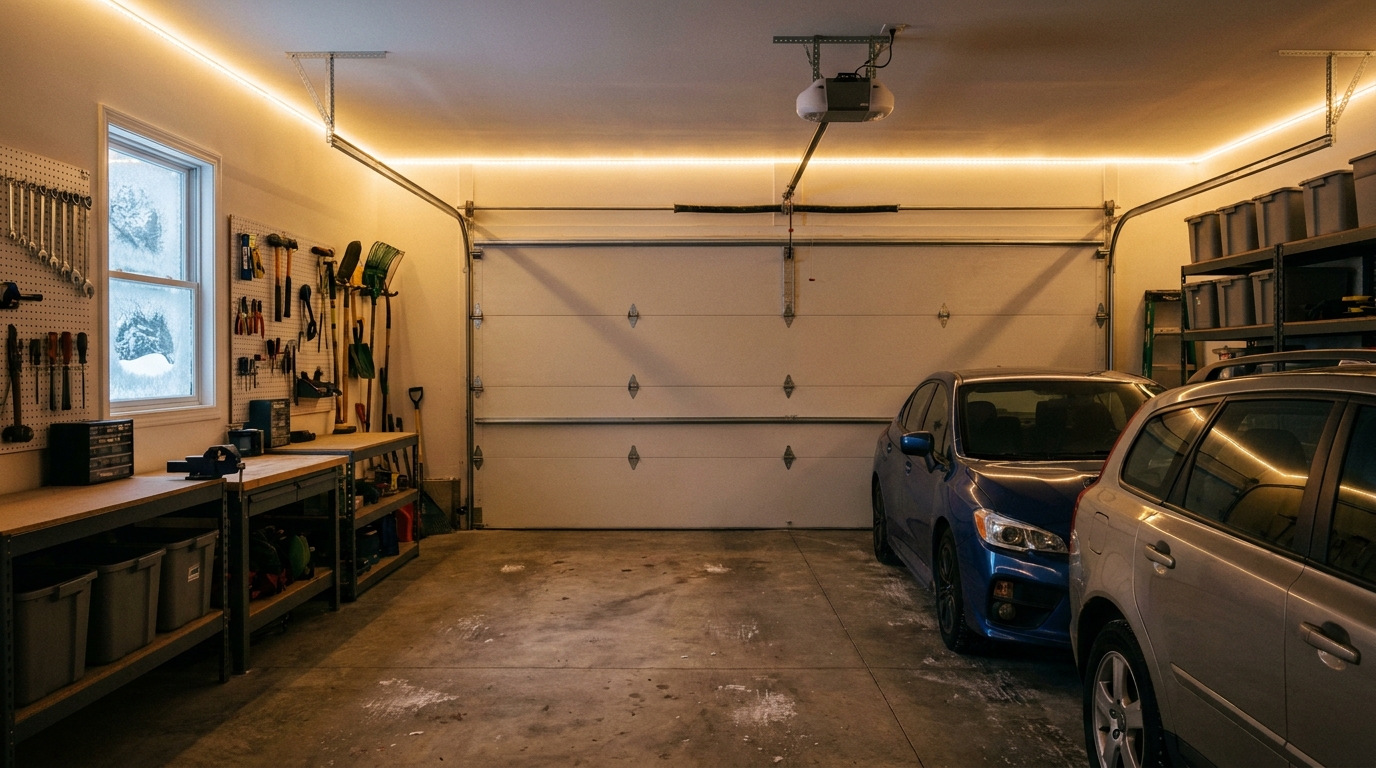
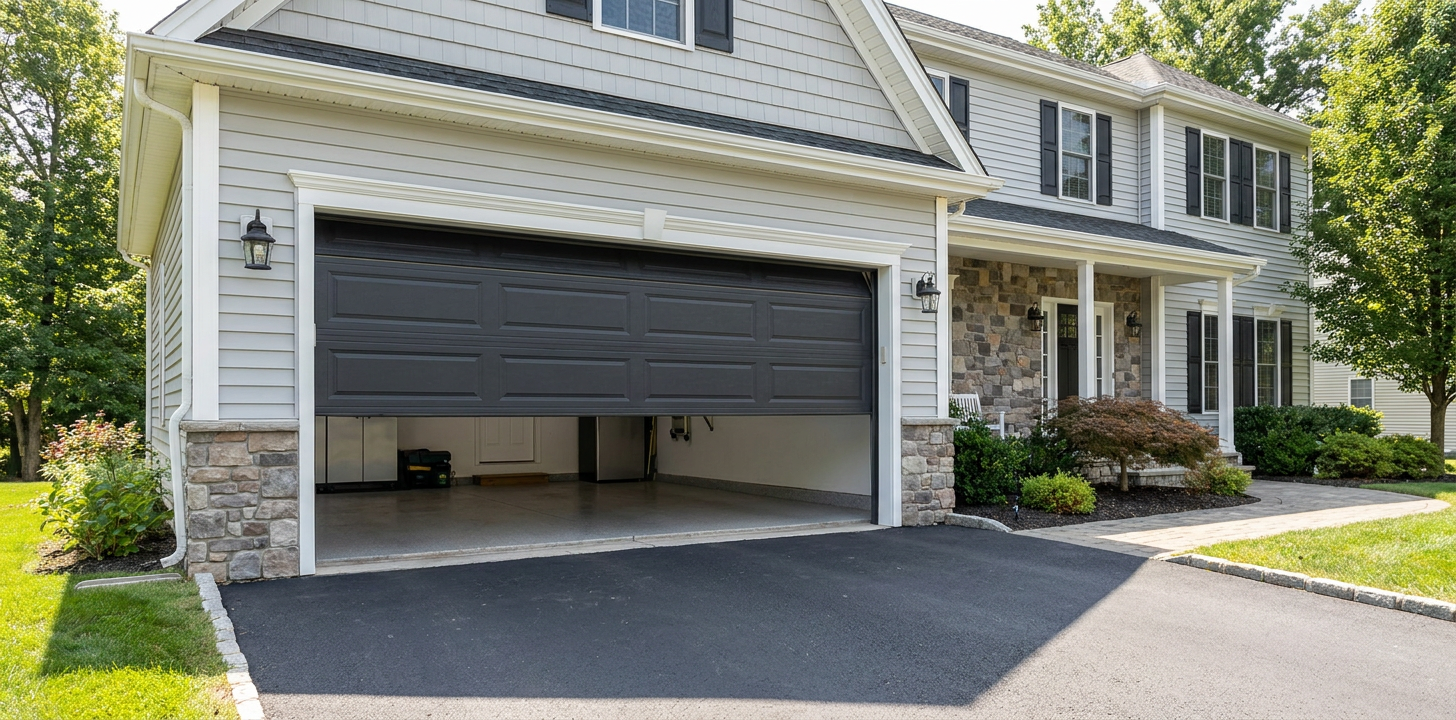
Connecticut winters don't pull punches. Between December and March, homeowners across Hartford and Middlesex Counties deal with sub-freezing nights, ice storms, and those raw, damp cold snaps that seem to seep through every crack. If your garage is attached to your house, the garage door is the largest moving barrier between that cold air and your heated living space.
An uninsulated or poorly insulated garage door can quietly undermine your home's comfort and energy efficiency all winter long. Let's talk about why insulation matters, what to look for, and when an upgrade makes sense.
How Heat Loss Works Through Your Garage
An attached garage shares at least one wall — and often a ceiling — with conditioned living space. Even if that shared wall is insulated, a single-layer steel garage door essentially turns your garage into a semi-outdoor space when temperatures drop.
The result: your furnace works harder, the room above or beside the garage stays stubbornly cold, and water pipes in the garage are more vulnerable to freezing. Homeowners in West Hartford, Farmington, and Glastonbury know this cycle well.
Understanding R-Value
R-value measures a material's resistance to heat flow. The higher the R-value, the better the insulation. For garage doors, here's a rough guide:
- R-0 to R-6: Minimal insulation. Common in single-layer steel or uninsulated doors. Fine for detached garages used strictly for parking.
- R-8 to R-12: Moderate insulation. A solid choice for attached garages in our climate. Typically found in double-layer (steel + insulation) doors.
- R-13 to R-18+: High insulation. Triple-layer construction (steel + insulation + interior steel skin) provides the best thermal performance and also makes the door quieter and more rigid.
For most attached garages in Central Connecticut, we recommend landing in the R-12 to R-16 range. You'll notice the difference in garage temperature, and your heating bills will thank you.
Double-Layer vs. Triple-Layer Construction
Double-layer doors sandwich insulation (usually polystyrene) between the exterior steel skin and a vinyl or thin steel backer. They're a meaningful step up from single-layer doors and fit most budgets comfortably.
Triple-layer doors use polyurethane foam injected between two full steel skins. Polyurethane has a higher R-value per inch than polystyrene, and the bonded construction makes the door stiffer and quieter. Brands like Haas and Safe-Way both offer triple-layer residential models worth looking at.
The price difference between double- and triple-layer isn't dramatic, and over a 20-year door lifespan, the energy savings and comfort gains often justify the upgrade.
Beyond Temperature: Noise, Strength, and Longevity
Insulation isn't just about warmth. A well-insulated door is:
- Quieter. The foam core dampens vibration and road noise — a real benefit if you have a bedroom above the garage.
- More durable. The bonded construction resists dents better than hollow single-layer panels.
- Longer-lasting. Less thermal stress on panels and hardware means fewer issues over time.
Weather Seals Complete the Picture
Even the best-insulated door won't perform if the weather seals around it are cracked, flattened, or missing. Bottom seals, side seals, and the header seal all work together to block drafts, rain, snow, and pests. If you're investing in an insulated door, make sure the seals are fresh too.
When to Upgrade
Consider upgrading to an insulated garage door if:
- Your current door is single-layer steel or wood with no insulation.
- You notice a significant temperature difference between your garage and the rest of the house.
- The room above or beside the garage always feels cold despite adequate heating.
- Your garage door is 15+ years old and showing wear — combining insulation with a full replacement is the most cost-effective approach.
- You use your garage as a workshop, gym, or hobby space during colder months.
A Note on Detached Garages
If your garage is detached and you don't spend time in it during winter, a high-R-value door may be overkill. A basic insulated door (R-6 to R-8) can still protect stored items and vehicles from the worst cold without overinvesting.
Making the Right Choice for Your Home
Every home is different. A raised ranch in Cromwell has different needs than a Colonial in Cheshire. We're happy to help you evaluate your current setup and recommend an insulation level that makes sense for your home and how you use your garage. Get in touch anytime.
Frequently Asked Questions
Can I add insulation to my existing garage door instead of replacing it?
DIY insulation kits exist, but they add weight to the door and can interfere with the spring balance, potentially causing premature wear or safety issues. If your door is otherwise in good shape and relatively new, it can be done carefully — but if the door is aging, replacement with a factory-insulated door is a better long-term investment.
How much warmer will my garage actually be with an insulated door?
It depends on the rest of the garage's insulation and sealing, but homeowners commonly see a 10–20°F improvement in garage temperature during winter compared to an uninsulated door. That's often enough to keep the space above freezing even on bitter nights.
Is an insulated garage door worth it if I'm planning to sell my home soon?
Yes. A new insulated door improves curb appeal and energy efficiency — two things Connecticut buyers notice. It's consistently one of the highest-ROI home improvements at resale.
Need garage door help in Connecticut?
Spring King serves Middletown and 30+ towns across Central CT. Fast response available.
Add Spring King as a Preferred Source on Google