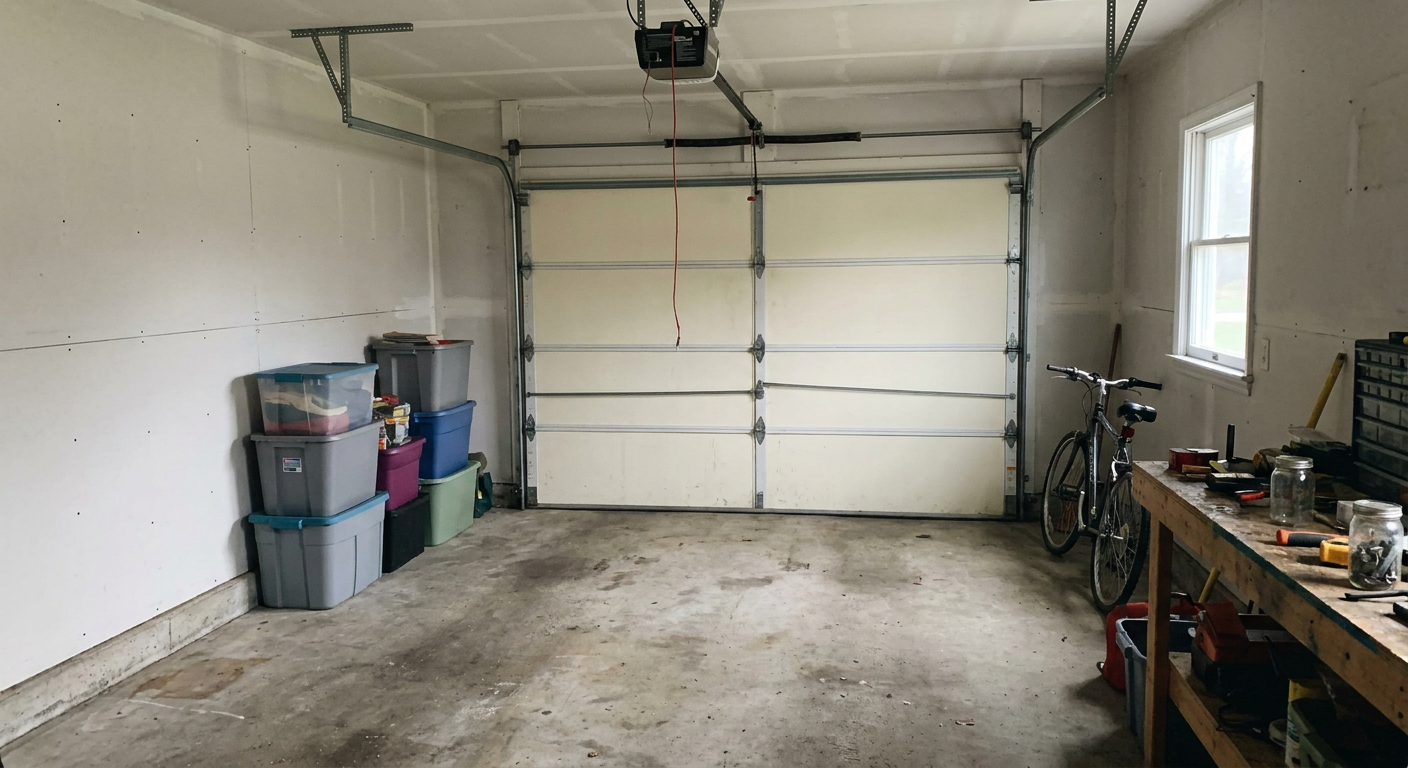
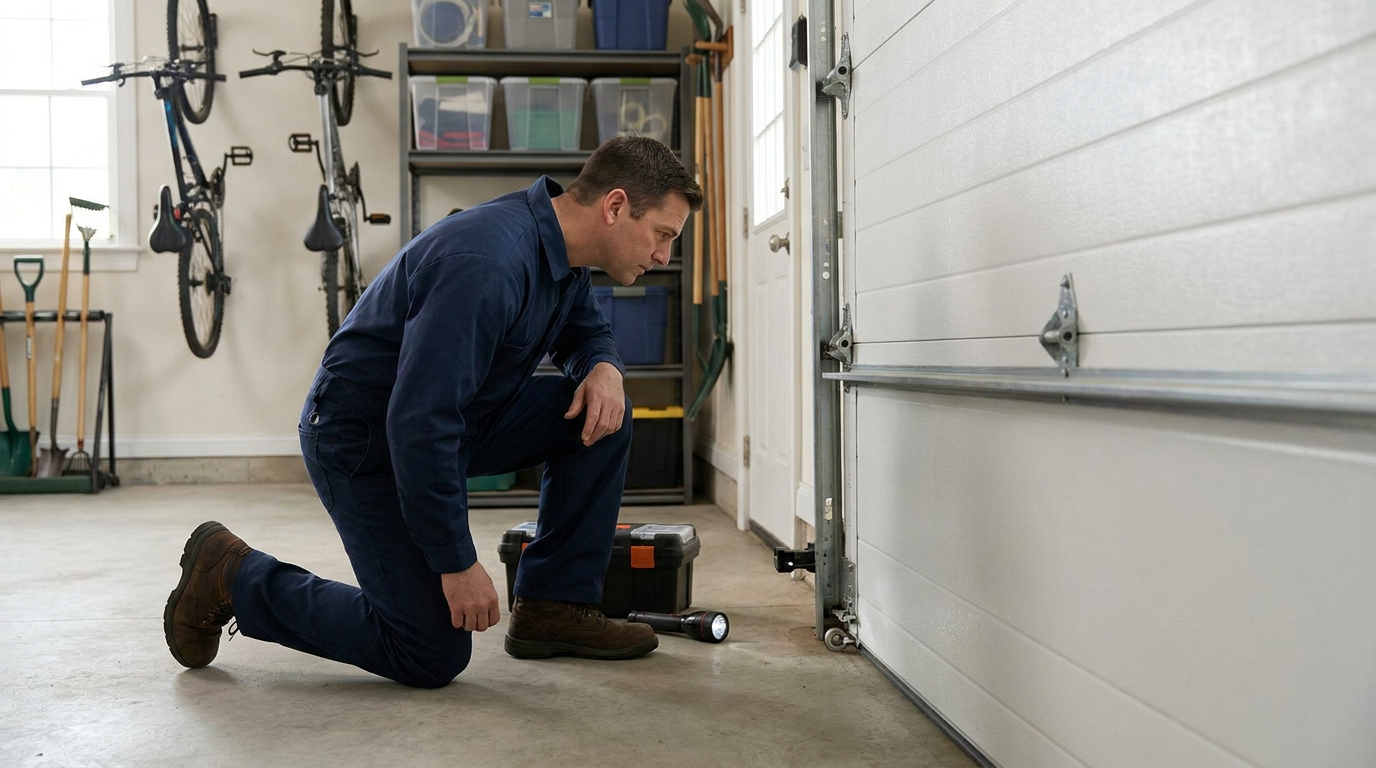
Garage Door Repair vs. Replacement: How to Decide
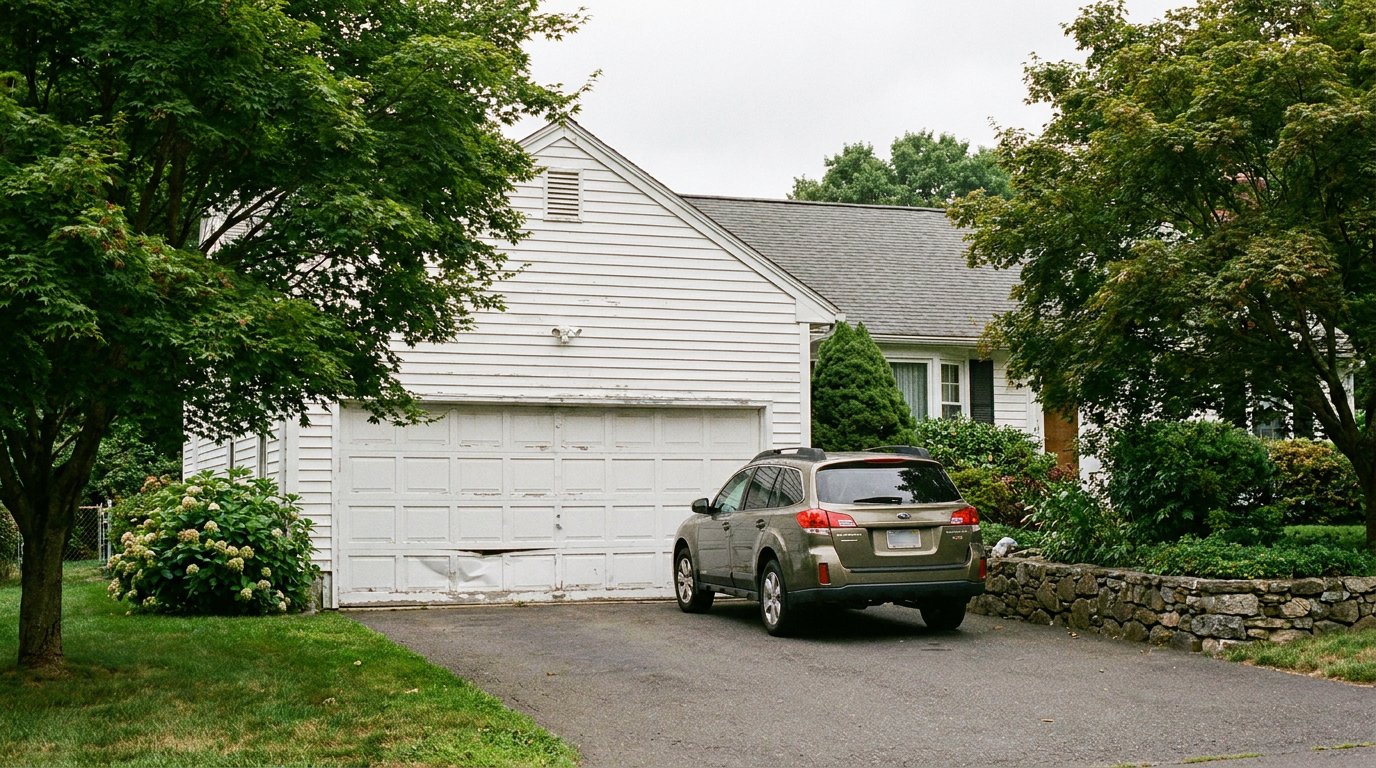
Your garage door is acting up — maybe it's noisy, dented, sticking, or just looking tired. The first question most homeowners ask is: "Can I fix this, or do I need a whole new door?" It's a fair question, and the answer depends on a handful of practical factors.
Here's how to think through the repair-vs.-replacement decision without overcomplicating it.
Start With the Age of Your Door
Most residential garage doors last 15 to 30 years depending on the material, maintenance, and climate exposure. If your door is under 10 years old and the issue is isolated — a single broken spring, a noisy roller, a misaligned track — repair almost always makes sense.
Once a door is past the 15-year mark, problems tend to compound. You fix one thing, and something else follows six months later. At that point, continuing to repair can become a case of diminishing returns.
Assess the Type of Damage
Not all damage is created equal:
Minor, Repair-Worthy Issues
- A single dented panel (replacement panels are sometimes available for newer doors)
- Worn rollers or hinges
- A broken torsion or extension spring
- A frayed lift cable
- Noisy operation from dry or worn hardware
- Weather seal deterioration (easily replaced)
Signs That Point Toward Replacement
- Multiple cracked, bent, or rusted panels
- The door sags or is visibly warped when closed
- Replacement panels are no longer available for your door model
- Structural damage to the door sections (not just cosmetic dents)
- Persistent balance problems even after spring adjustment
- The door is uninsulated and you want to improve energy efficiency
The 50% Rule of Thumb
A common guideline in the home improvement world: if the repair cost approaches 50% of what a new door would cost, replacement is usually the smarter financial move. You get modern materials, cleaner operation, and improved curb appeal instead of sinking money into aging components.
This is especially true for homeowners in Rocky Hill, Wethersfield, and similar communities where a clean, well-maintained exterior matters for property values.
Factor In What You're Not Seeing
A visible dent or a snapped spring is obvious. But older doors often have hidden issues:
- Rust forming on the door, inside the tracks, or on spring hardware. Connecticut's humid summers and salty winter air accelerate corrosion, especially if seals aren't keeping moisture out.
- Weakened bottom sections. Years of contact with rain, snow, and ice take a toll on the lowest panel, especially on wood doors.
- Outdated safety features. Doors manufactured before 1993 may lack the auto-reverse safety mechanisms now required by federal law.
A good technician will flag these during a repair visit and give you an honest assessment.
Curb Appeal and Home Value
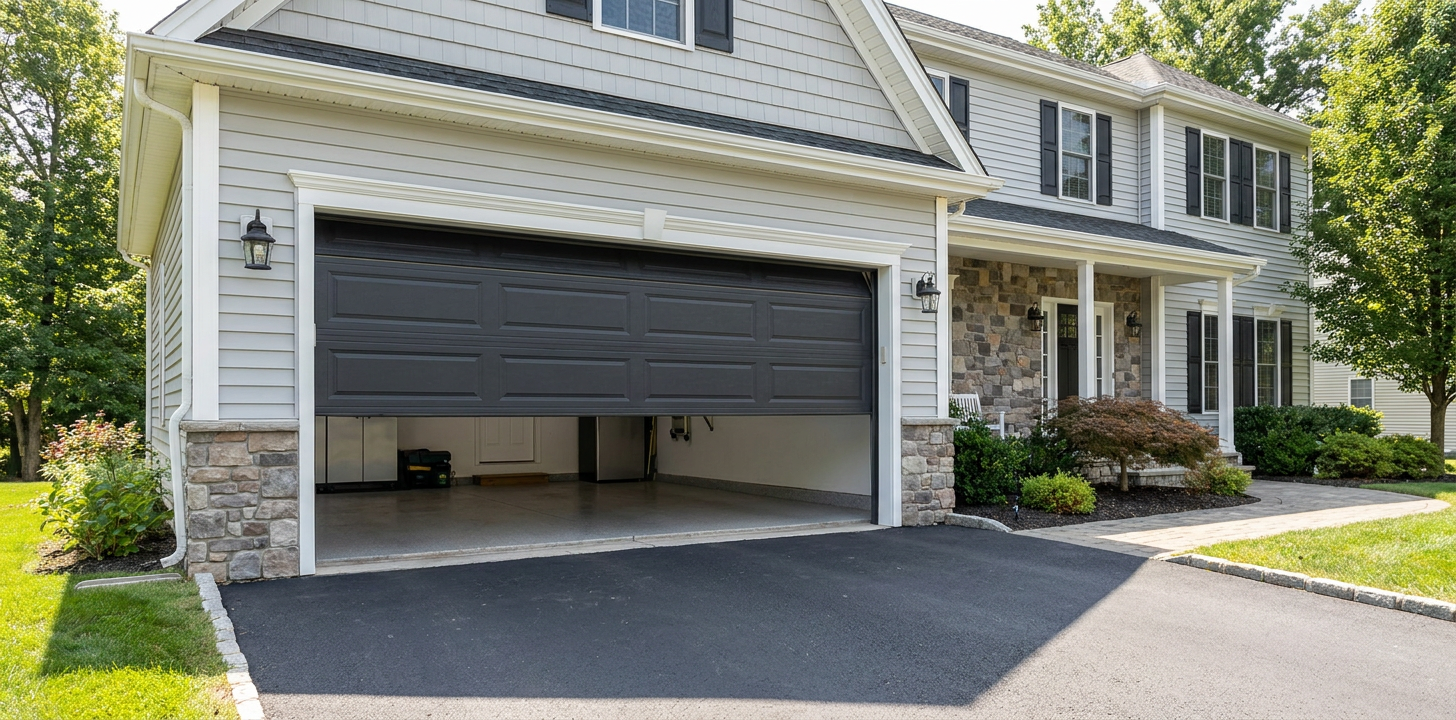
If you're thinking about selling your home within the next few years, a garage door replacement is one of the highest-ROI improvements you can make. A faded, dented, or outdated door is one of the first things buyers see. A new door from a quality manufacturer like Haas or Safe-Way transforms the front of your home.
Even if you're not selling, there's real satisfaction in pulling into a driveway that looks great.
What About the Opener?
If you're leaning toward replacement and your garage door opener is also aging (10+ years), bundling both into one project often makes sense. Newer insulated doors may weigh more than your old door, and an older opener may not handle the change well. Replacing both together ensures everything is matched and balanced correctly.
A Decision Framework
Ask yourself these questions:
- Is my door less than 10 years old? → Lean toward repair.
- Is the problem isolated to one component (spring, roller, seal)? → Lean toward repair.
- Are there multiple issues, or has the door needed frequent service? → Lean toward replacement.
- Are replacement panels still available for my door? → If no, lean toward replacement.
- Do I want to improve insulation, style, or safety features? → Replacement is the path.
We'll Give You a Straight Answer
We'd rather do a repair and save you money when that's the right call. And we'll tell you honestly when a replacement makes more long-term sense. If you're on the fence about your garage door, schedule a visit and we'll help you figure it out — no pressure either way.
Frequently Asked Questions
Can I replace just one panel on my garage door?
Sometimes. If your door model is still in production and the damaged panel is available, a single-panel replacement can be a cost-effective fix. If the model is discontinued, color-matching and fit become problems, and full replacement is usually the better route.
How do I know if my garage door springs are near the end of their life?
Most residential torsion springs are rated for about 10,000 cycles (one open + one close = one cycle). If your springs are 7–10 years old and you use the door multiple times daily, they're approaching the end of their lifespan. Visible gaps in the coils or the door feeling heavy are warning signs.
Is it safe to keep using a garage door that's off-track or sagging?
No. An off-track or severely unbalanced door is a safety hazard. It can fall unexpectedly or cause further damage to the opening and hardware. Stop using it and call for professional repair as soon as possible.
Need garage door help in Connecticut?
Spring King serves Middletown and 30+ towns across Central CT. Fast response available.
Add Spring King as a Preferred Source on Google